

Last Updated: October 27, 2026
Quick Summary
A heat press warranty is a written promise from the manufacturer to repair or replace specific components that fail from defects in materials or workmanship within a set period. It is not a blanket guarantee, so compare the covered component list, labor terms and exclusions rather than the headline duration.
- Heat Press Nation states a minimum one-year warranty on all products, with most products exceeding that standard.
- Wear and tear on platens, coatings, cords and pads is commonly excluded from coverage.
- Plugging a press into an undersized or ungrounded circuit is the most common warranty void we see.
- Document installation, log temperature and pressure settings, and keep repairs authorized to protect coverage.
- Platens, pads and coatings are the components most likely to fall outside coverage as wear items.
Table of Contents
- Heat Press Warranty Coverage: What Is Actually Protected
- Heat Press Warranty Length: Why Duration Is Not the Whole Story
- Heat Press Warranty Exclusions: What Voids Coverage
- The Heat Press Warranty Claim Process, Step by Step
- Warranty vs. Repair Plans and Extended Service
- Comparing Warranty Terms Across Stahls and MicroTec USA Presses
- Choosing a Heat Press With Warranty Terms You Can Live With
- Frequently Asked Questions
Heat Press Warranty Coverage: What Is Actually Protected
A heat press warranty is a written promise from the manufacturer to repair or replace specific components that fail because of defects in materials or workmanship within a set period.
Below, we break down what a heat press warranty typically protects, what voids it, and how to file a claim.
Professional presses are built around a handful of failure-prone assemblies, and manufacturers treat each one differently.
Component-by-Component Coverage on Professional Presses
Coverage categories vary widely by brand, and the written terms are the only reliable source. In practice:
- Heating element and platen: Often covered for defects, but frequently excluded once normal wear or surface damage is involved. A non-stick coating that wears through from abrasion is usually treated as wear and tear, not a defect.
- Control board and electronics: Typically covered against manufacturing defects. Damage from power surges, incorrect voltage, or moisture is usually excluded.
- Frame and structure: Framework coverage appears in several manufacturer policies, but it rarely extends to cosmetic damage or to bends caused by dropping or over-pressing.
The lesson: compare the component list, not the headline number.
Heat Press Warranty Length: Why Duration Is Not the Whole Story
A longer warranty period does not automatically mean better protection. Two presses can both advertise a multi-year term while covering completely different things, and the shorter policy can be stronger if it includes labor while the longer one covers parts only.
Heat Press Nation, for example, states that it offers a minimum one-year warranty on all products, with most products exceeding that standard, according to HeatPressNation's warranty policy. Longevity often depends on how well the machine is maintained during daily operation, particularly when adjusting proper pressing temperatures for different fabric types to avoid premature heating element failure.
A few questions separate a real warranty from a marketing line:
- Does the term apply to the whole machine or only to specific assemblies?
- Is labor included, or parts only?
- Who pays shipping on a warranty repair?
- Does the term reset on a replacement unit, or does it run from the original purchase date?
- Does coverage change for commercial use versus light use?
Ask those five before you ask "how many years."
Heat Press Warranty Exclusions: What Voids Coverage
Common exclusions include:
- Wear and tear on platens, coatings, cords, and pads
- Misuse and abuse, including pressing beyond rated temperature or pressure
- Accidental damage, such as drops, spills, or impact
How Each Exclusion Actually Shows Up on a Heat Press
- Temperature overshoot and element burnout: Running a press above its rated temperature to shorten dwell time is a misuse pattern. The evidence is a discolored or blistered element plus controller logs or operator notes showing settings above the rated maximum, a frequent basis for denying element coverage.
- Pressure over-application: Cranking the pressure adjustment past the rated setting to force a transfer is the most common way clamshell and swing-away presses bend a frame or crush a platen pad. Frame and pressure-mechanism claims get denied as abuse when the failure pattern matches over-pressing.
- Undersized or ungrounded circuits: The single most common void we see is a press plugged into an undersized circuit or an ungrounded outlet. That is an installation problem in the manufacturer's eyes, and control-board and wiring failures that trace to voltage sag or a missing ground are routinely excluded.
Preventing Warranty Disputes Before They Start
- Document the installation. Note the circuit amperage, voltage, and grounding at the press's outlet.
- Log temperature and pressure settings. A simple daily log per job type shows the press ran within its ratings, your evidence if a claim is questioned.
- Record maintenance. Note platen cleanings, pad replacements, and ventilation checks with dates.
Conditions That Keep Your Warranty Valid
Validity is mostly about documentation and behavior. Keep the purchase receipt, register the product if offered, and record the serial number where you can find it under pressure. Operate within stated ratings, follow the manual's maintenance schedule, and use authorized service for repairs, unglamorous, but exactly what a claims reviewer checks first.
The Heat Press Warranty Claim Process, Step by Step
- Confirm the press is in warranty. Check the purchase date against the warranty period and confirm the failure is not on the exclusion list.
- Stop using the machine. Continued operation after a fault can turn a covered defect into an excluded one.
- Gather your documents. Proof of purchase, purchase date, serial number, and product registration if applicable.
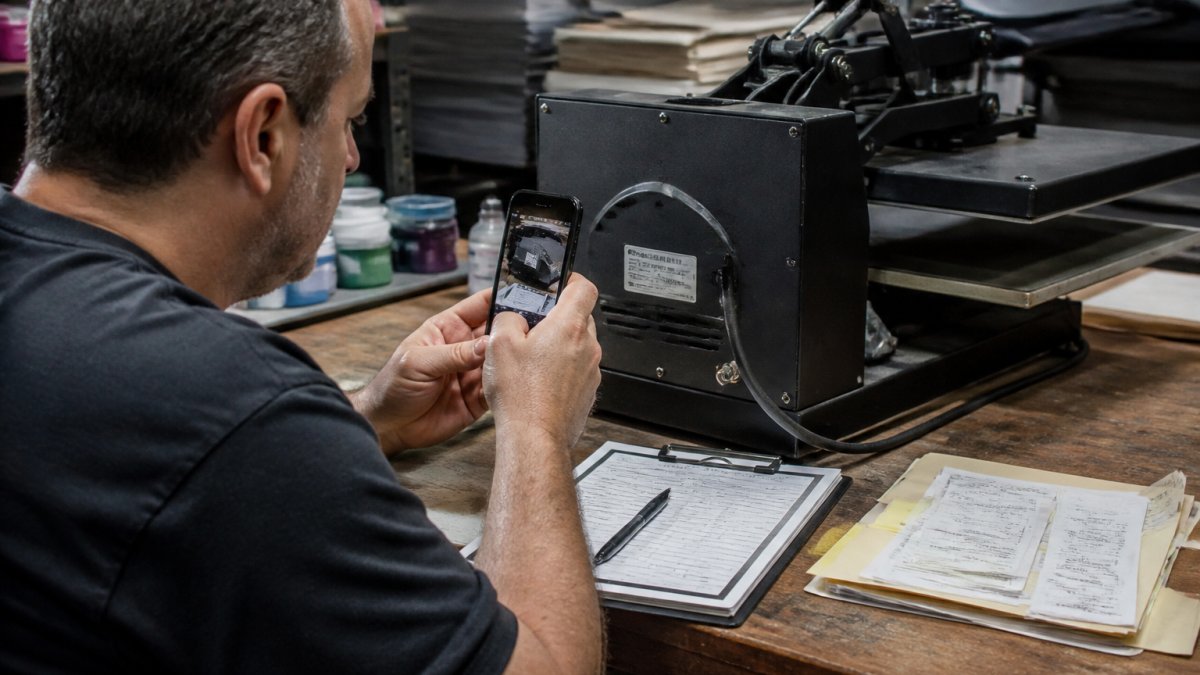
- Document the failure. Photograph the serial plate, the failed component, and the surrounding area. Note what you were pressing, at what settings, when the fault appeared.
- Contact the manufacturer or your dealer in writing so you have a record. Describe the symptom, not your diagnosis.
- Follow the troubleshooting steps they provide and report the results.
- Ship only when instructed, and keep the tracking number.
A Claim Preparation Checklist
Use this before you contact anyone:
Vector Pro 16” x 24” Auto Open Slide Out Heat Press →
- Proof of purchase saved as a PDF or photo
- Purchase date confirmed
- Serial number photographed and written down
- Product registration completed, if offered
Warranty vs. Repair Plans and Extended Service
Best for a warranty alone: shops running a single press at moderate volume, where standard terms cover the components most likely to fail early.
Best for extended coverage: production environments running multiple shifts, where downtime costs more than the plan and wear-related failures are a matter of when, not if.
Skip extended coverage if: you run light volume on a press with strong component coverage and have a backup machine.
Comparing Warranty Terms Across Stahls and MicroTec USA Presses
Our own MicroTec USA machines, including the TITAN and Vector series, are built on heavy-duty laser-cut steel frames with upgraded heating systems designed for thermal stability during repeated production cycles.
How Press Type Changes What the Warranty Actually Covers
- Clamshell presses: The hinge and upper platen assembly carry the load on every open-and-close cycle. Hinge pins, springs, and the pressure-adjustment knob are moving parts, and moving parts attract wear-and-tear exclusions. A clamshell run at high cycle counts is the press type most likely to see a pressure-mechanism claim denied as normal wear.
- Swing-away presses: The swing arm and its pivot bearing take lateral stress that a clamshell never sees. Pivot wear and frame flex are the components to watch, and frame coverage matters more here than on a clamshell. The trade-off is easier loading and less operator fatigue, which is why high-volume shops favor them.
- Pneumatic and air-operated presses: The air cylinder, regulator, and pressure lines sit outside the heating circuit, and many policies treat pneumatics as a separate coverage category or exclude them as consumable wear items. Compressed-air quality, moisture, oil carryover, is an installation condition that can void cylinder coverage.
- Commercial production presses: Higher duty ratings usually come with tighter commercial-use language, not looser. A press rated for continuous production may still cap coverage once daily operating hours or shift counts cross a threshold stated in the exclusions.
Hobby Versus Production Use in the Same Warranty Document
Before you buy, read the duty rating and the commercial-use clause together. If the press is rated for a certain number of cycles per day, treat that number as a warranty boundary, not a suggestion.
The Comparison Table That Actually Matters
| What to compare | Why it matters | Where to find it |
|---|---|---|
| Covered components (element, platen, controller, frame, pressure mechanism) | Determines whether your likely failure is protected | Written warranty document |
| Term length per component | Warranty page or manual | |
| Labor included | Terms and conditions | |
| Shipping responsibility | Claim instructions | |
| Commercial-use and duty-cycle limits | Exclusions section | |
| Pneumatic/air-system coverage | Exclusions and covered-parts list | |
| Remedy type | Remedies clause |
Choosing a Heat Press With Warranty Terms You Can Live With
A final note on parts: platens, pads, and coatings are the components most likely to fall outside coverage as wear items. For deeper guidance, see what is the best heat press for high volume production before committing. Readers ready to choose can browse the full heat presses collection to compare models and warranty options. Keeping a spare set of heat press platens on hand is cheaper than losing a production day, and it removes the temptation to push a worn platen past the point where a failure becomes a denied claim.
Frequently Asked Questions
What does a professional heat press warranty usually cover?
Most professional heat press warranties cover defects in materials and workmanship under normal use. That typically means the heating element, control board, frame, and wiring, depending on the manufacturer. HeatPressNation states it offers a minimum one-year warranty on all products, with most products exceeding that standard. Coverage categories differ by brand: some warranties list parts and service, others list framework, circuit board, and parts and labor separately. Read the written terms for the specific machine rather than assuming the length tells you what is protected.
Does a heat press warranty cover the heating element?
Often yes, but it depends on the manufacturer's written terms. The heating element is the component most likely to be listed explicitly, because it is central to transfer quality and expensive to replace. Check whether your warranty names the heating element, the control board, and the frame as covered components, and whether labor is included when one fails. If the warranty only covers defects in materials and workmanship without naming components, ask the seller to confirm in writing before you buy.
What can void a heat press warranty?
Common exclusions include misuse, abuse, accidental damage, unauthorized modification, and failure to follow proper installation and operation instructions. Wear and tear on consumables such as platens and covers is usually excluded too. Commercial use can also affect coverage: some warranties treat high-volume production differently from light use, so confirm the commercial-use terms before buying. Keep your proof of purchase and service documentation, since most claims require them.
How do I file a heat press warranty claim?
Start by contacting the seller or manufacturer with your proof of purchase, purchase date, serial number, and a description of the defect. Photograph or video the problem, including any error codes or uneven heat patterns. Many warranties require written notice before you attempt a repair yourself, and unauthorized repairs can void coverage. The manufacturer will typically arrange inspection, then approve a repair, replacement, or refund as the remedy. Keep copies of every message and service document.
Do I need to register my heat press to keep the warranty valid?
Some manufacturers require product registration within a set window after purchase, and others do not. Registration is worth completing either way because it ties the serial number to your purchase date and makes a future claim faster. Keep the receipt, the registration confirmation, and the serial number in one folder. If the warranty document mentions registration as a condition, treat it as mandatory rather than optional.
Are labor and shipping covered under a heat press warranty?
It varies. Some warranties cover parts and labor, others cover parts only, and shipping costs are frequently the buyer's responsibility in both directions. Before you buy, ask three questions: is labor included, who pays shipping, and is the remedy repair, replacement, or refund. Getting those answers in writing prevents surprises during a busy production season when a press failure costs more than the repair itself.
Warranty paperwork is not the exciting part of buying a press, but it is the part that decides what happens on your busiest week. McLogan has supplied screen printing, heat transfer, and signage equipment since 1922, and our team can walk you through the coverage terms on the machines we carry before you commit. Get started with McLogan and choose a press with warranty terms you understand.


